Path 02 of 20
Faces of Palestinian Literature
Palestinian literature is a poignant tapestry of narratives, weaving together tales of identity, resistance, and the enduring human spirit against the backdrop of historical and cultural upheaval.
- 55 writers
- Born 1875–1998
- 5 from Jerusalem
 The Palestine Festival of Literature in Bethlehem, 2008
 The Mahmoud Darwish Museum in Ramallah
 Mahmoud Darwish's tomb at his museum in Ramallah
About Literature
A homeland written down.
Palestinian literature has long carried what maps could not. In the 1930s Ibrahim Tuqan wrote “Mawtini”, a poem still sung across the Arab world, and his sister Fadwa Tuqan became one of the great poets of her generation.
After 1948, writing became a way to hold on. Ghassan Kanafani gave a name to “resistance literature”, Mahmoud Darwish turned an identity card into a poem in 1964, and Edward Said told his people’s story to readers in the West. A new generation, from Adania Shibli to Susan Abulhawa, has carried it to readers around the world.
The people in this path write poems, novels, memoirs and essays. Many wrote in exile, some in prison, and some, like Refaat Alareer in Gaza, taught others to tell their own stories.
All 55 writers
Every face in Literature, from the earliest pioneers to the voices of today.
Born across the decades
Tap a decade to filter · 2 without a recorded birth year
55 writers
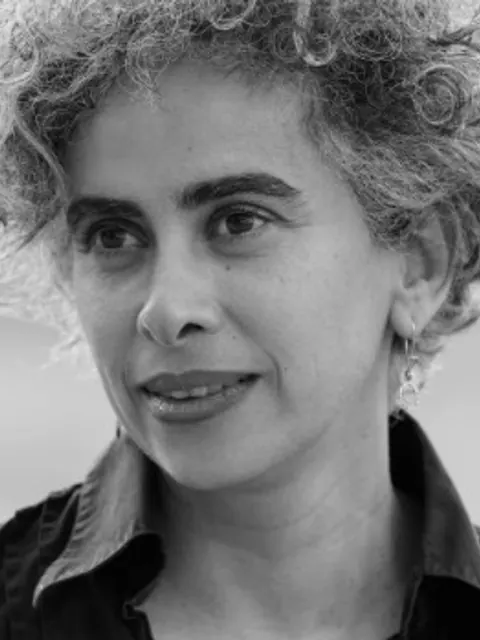 b. 1974
Adania Shibli
Literary voice of Palestine
Palestine
Read their story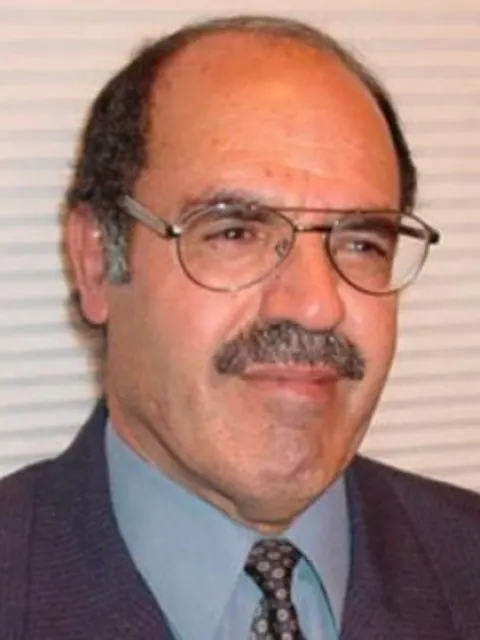 b. 1944
Adel Samara
Palestinian political economist and writer
Beit Ur al-Fauqa, near Ramallah, Palestine
Read their story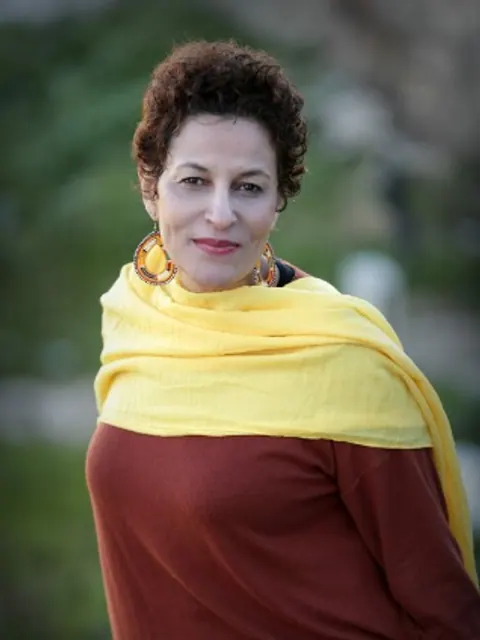 b. 1975
Ahlam Bsharat
Pioneering Palestinian Author
Tammun, Palestine
Read their story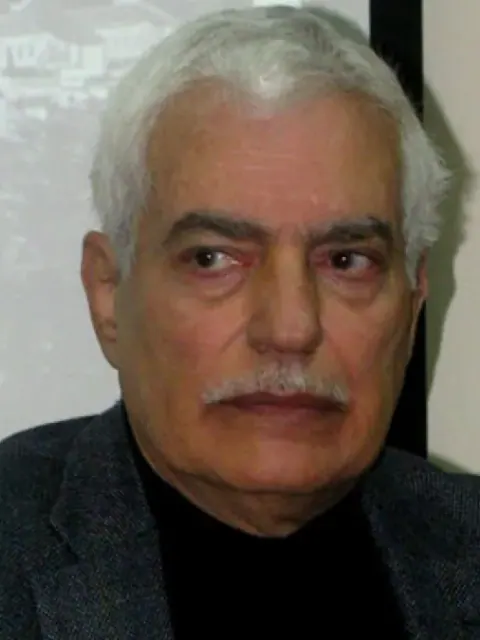 b. 1946
Ahmad Dahbour
Palestinian poet, lyricist, and former deputy culture minister
Haifa, Palestine
Read their story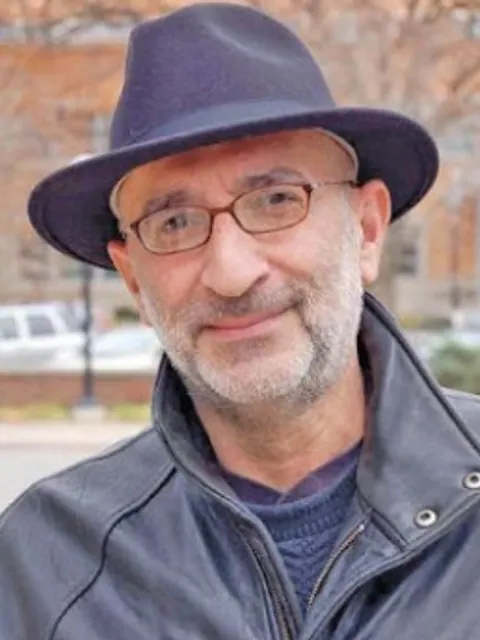 b. 1950
Anton Shammas
Palestinian writer, translator, and University of Michigan professor emeritus
Fassuta, Palestine
Read their story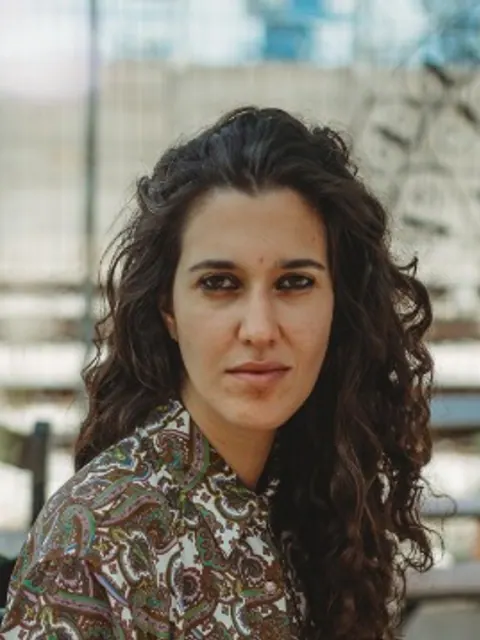 b. 1985
Asmaa Azaizeh
Palestinian poet, performer, and editor
The village of Daburieh, in the Lower Galilee, Palestine
Read their story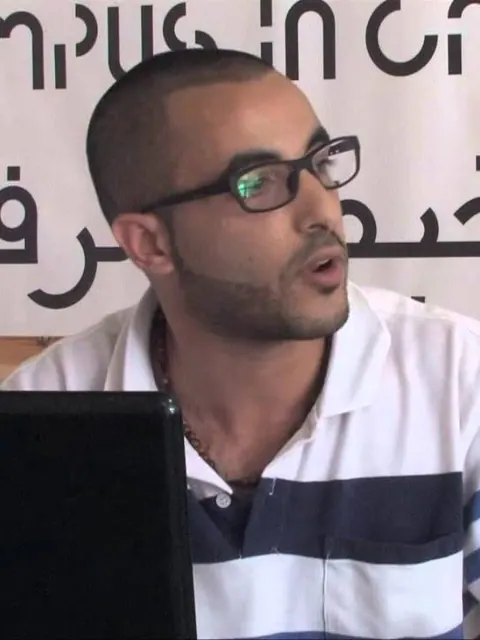 Also: Artsb. 1988
Aysar Al Saifi
Palestinian writer and artist from Dheisheh refugee camp
Dheisheh Refugee Camp, Bethlehem, Palestine
Read their story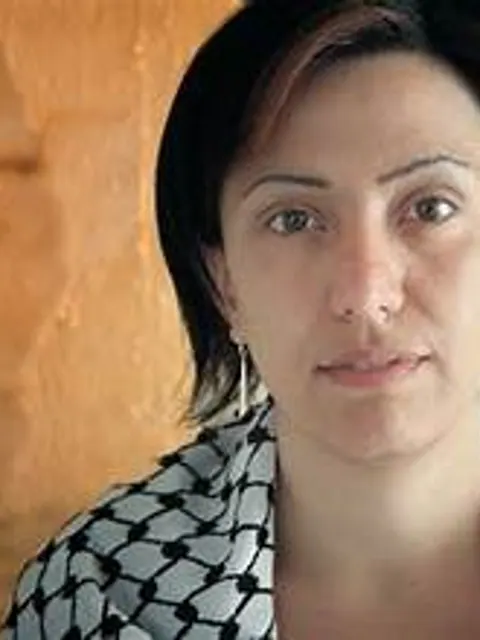 b. 1979
Dr. Rafeef Ziadah
Palestinian Canadian poet and King’s College London politics lecturer
Beirut, Lebanon
Read their story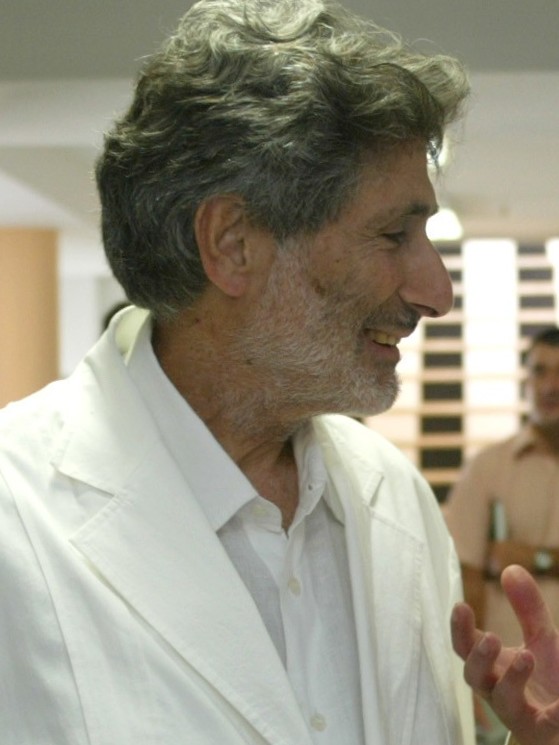 b. 1935
Edward Said
Palestinian literary scholar, author, and public intellectual
Jerusalem, Palestine
Read their story- EHAlso: Journalismb. 1922
Emile Habibi
Palestinian novelist, journalist, and political figure known for The Pessoptimist
Haifa, Palestine
Read their story 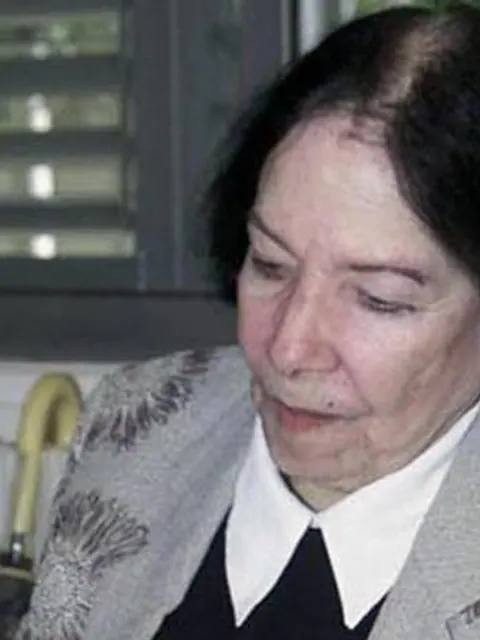 b. 1917
Fadwa Tuqan
Palestinian poet and autobiographer
Nablus, Palestine
Read their story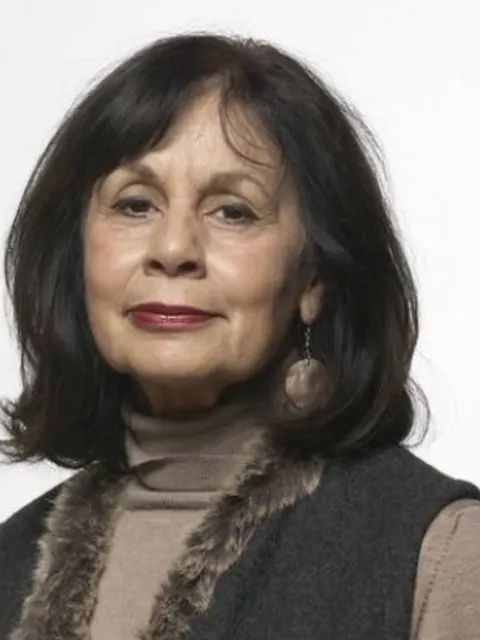 b. 1939
Ghada Karmi
Palestinian British physician, author, and scholar
Jerusalem, Mandatory Palestine
Read their story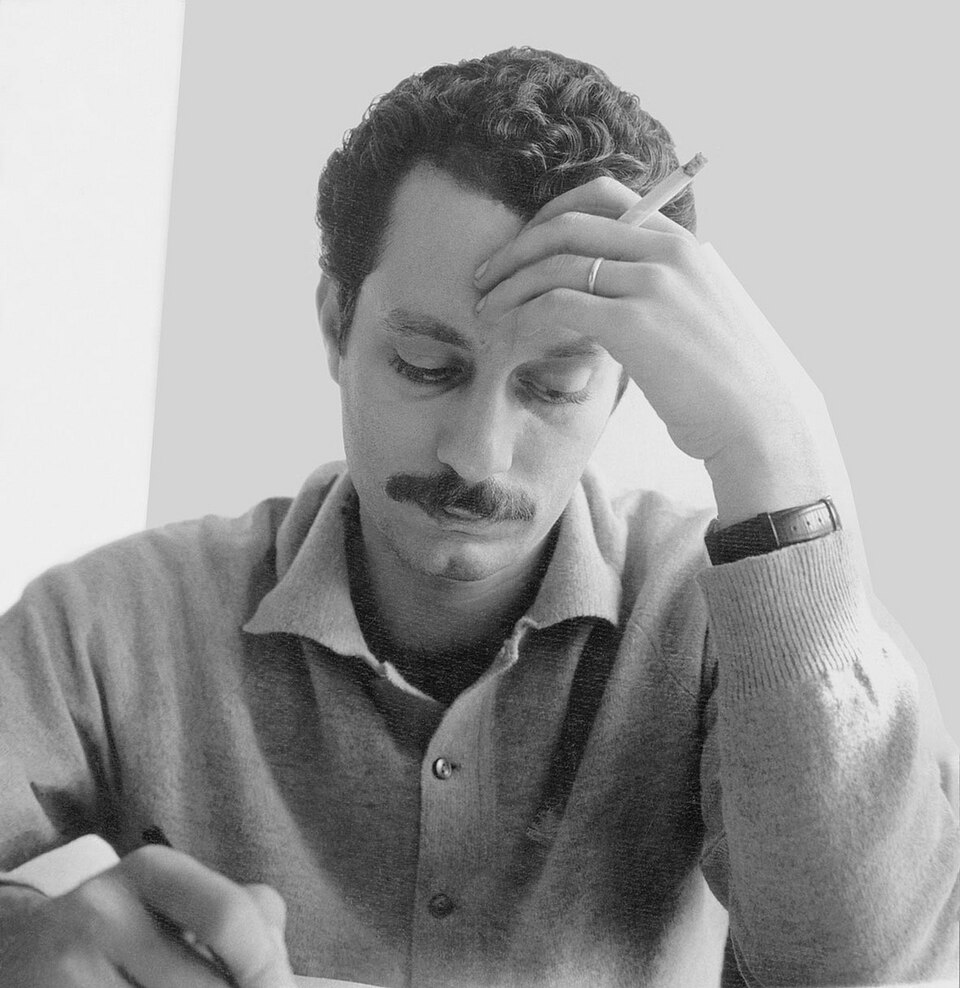 Also: Journalismb. 1936
Ghassan Fayiz Kanafani
Novelist, journalist, artist, and major voice of Palestinian literature
Acre, Palestine
Read their story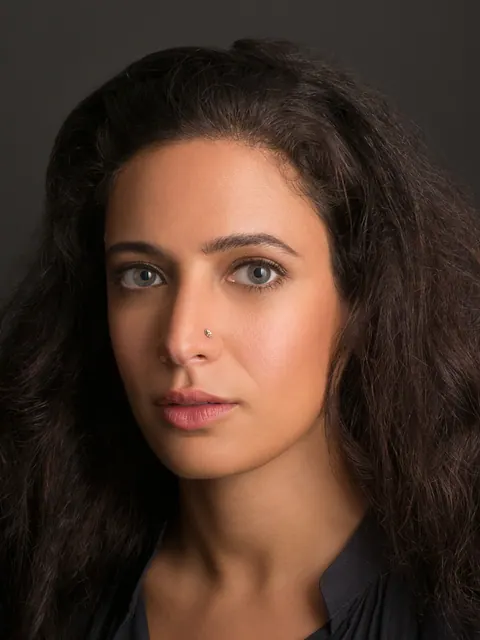 b. 1986
Hala Alyan
Palestinian American poet, novelist, and clinical psychologist
Carbondale, Illinois, USA
Read their story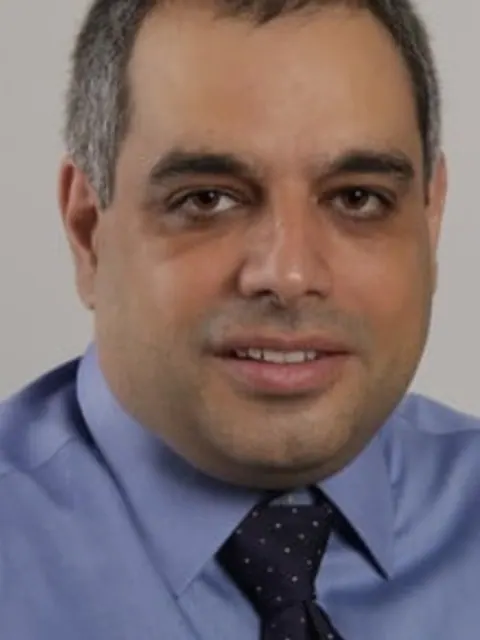 b. 1968
Hisham Zreiq
Visionary Palestinian Filmmaker
Nazareth, Palestine
Read their story b. 1954
Hussein Barghouthi
Poet and writer, contributed profoundly to Palestinian literary heritage.
Kobar, Ramallah, Palestine
Read their story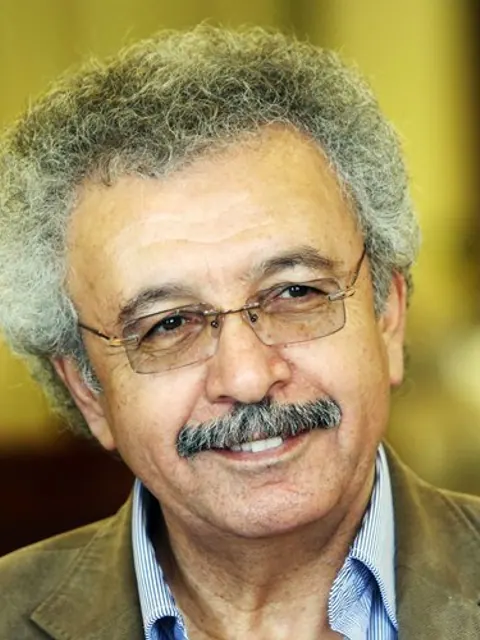 b. 1954
Ibrahim Nasrallah
Trailblazer in Palestinian historical literature.
Amman, Jordan
Read their story b. 1905
Ibrahim Tuqan
Pioneering Palestinian national poet.
Nablus, Palestine
Read their story b. 1964
Ibtisam Barakat
Poet, educator, peace activist; voice for Palestinian diaspora and youth.
Beit Hanina, East Jerusalem, Palestine
Read their story b. 1991
Isabella Hammad
British Palestinian novelist and essayist
London, United Kingdom
Read their story