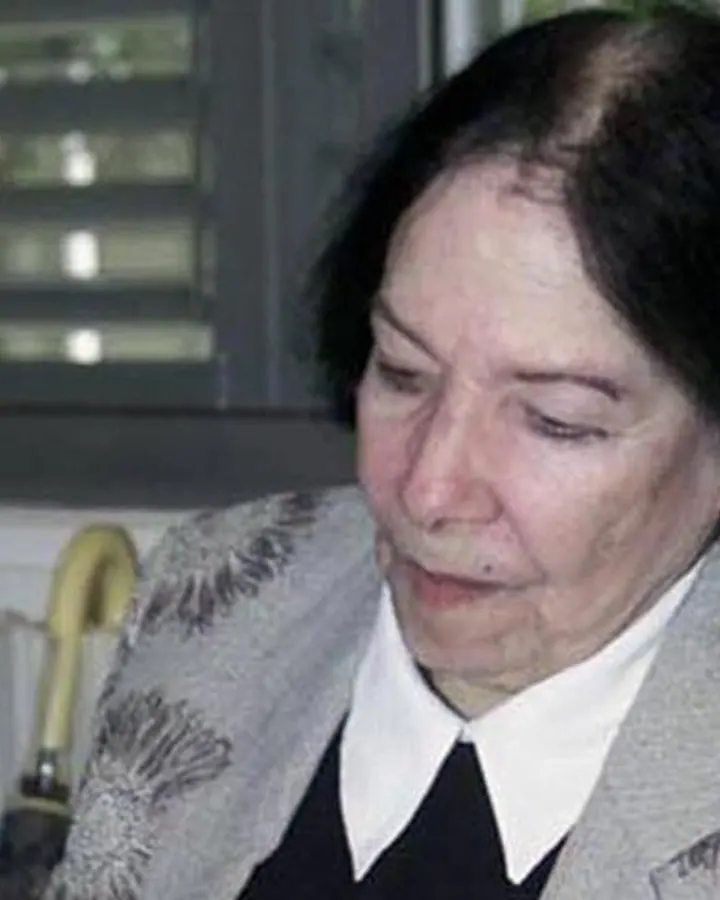
Fadwa Tuqan
Pioneering female poet, vocal in Palestinian cultural and feminist movements.
- Born
- 1917
- Born in
- Nablus, Palestine
- Path
- Literature
Why Fadwa is here
Fadwa Tuqan is celebrated as a central figure in Palestinian literature, known for her eloquent poetry which often grapples with themes of resistance, feminism, and personal freedom. Her life and works are a testament to the resilience and cultural richness of the Palestinian people.
Their story
Fadwa Tuqan, often referred to as the "Poetess of Palestine," grew up in a conservative household in Nablus and overcame numerous societal barriers to become a leading literary figure. Her poetry, which is characterized by its candid engagement with themes of human suffering, resilience, and the struggle for freedom, has been acclaimed throughout the Arab world and beyond. Despite personal tragedies and the backdrop of political turmoil, Tuqan's voice emerged as a beacon of strength and resistance, not only within Palestinian society but also as a symbol of universal human struggle and endurance.
In pictures
Milestones
The moments that shaped Fadwa’s path.
1941
Death of her mentor and brother, Ibrahim Tuqan, which deeply affected her literary path.
1956
Attendance at the World Peace Council conference in Stockholm and subsequent travels marked her initial engagement in political life.
1967
Transformation of her poetry to focus on resistance and critique of occupation post the Six-Day War.
1977
Election to the Board of Trustees of al-Najah University and authorship of the university anthem.
1990s
Recognition of her contributions with multiple awards.
Legacy
What they built, changed and left behind.
Literary Innovation
Tuqan was deeply engaged in the art of poetry, contributing to its evolution by blending classical forms with modernist themes.
Cultural Impact
Published eight collections of poetry between 1952 and 2000, influencing generations of readers and writers.
Feminism
Advocated for women's rights and critiqued patriarchal society through her writings and personal experiences.
Education
Studied English literature in Oxford, which enriched her literary work and broadened her cultural perspective.
Political Engagement
Used her poetry and public voice to participate in the Palestinian resistance and cultural discourse.
Ask about Fadwa
Curious about something? An AI guide answers from Fadwa’s profile.
Fadwa’s guide AI
Answers come from Fadwa’s profile on this page. It isn’t Fadwa, and it can make mistakes.
What would you like to know about Fadwa?
Ask in your own words about Fadwa’s early life, work, the moments that shaped them, or their legacy. The guide answers only from this profile, so if something isn’t covered, it will tell you.
AI-generated from this profile. Spotted something wrong? Suggest an addition.
Spot a mistake?
We check every correction against sources before we change a profile. Tell us what’s wrong with Fadwa’s story and, if you can, where you read it. How we check
Keep exploring
More faces from Literature
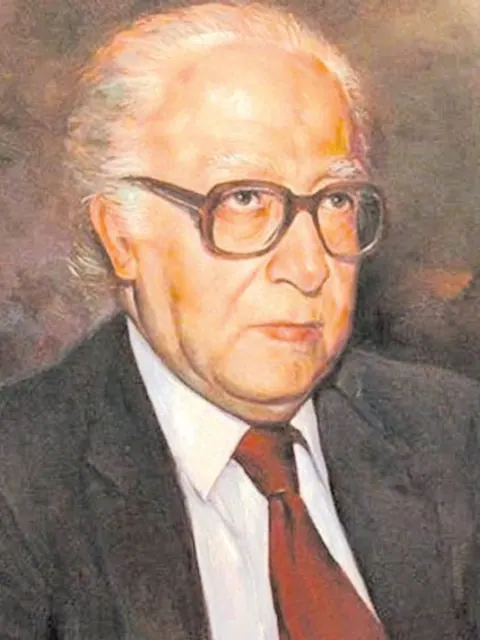 Literatureb. 1919
Jabra Ibrahim Jabra
Versatile writer, translator, and painter
Bethlehem, Palestine
Read their story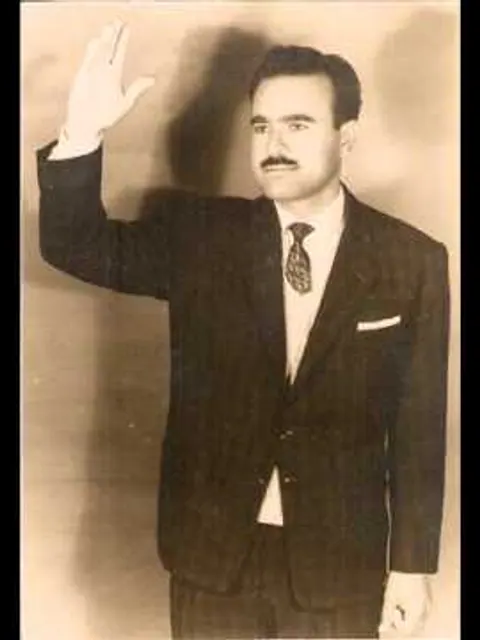 Literatureb. 1913
Nuh Ibrahim
Poetic voice of resistance during the 1936-39 Palestinian Revolt.
Haifa, in Wadi al-Nisnas neighborhood, Palestine
Read their story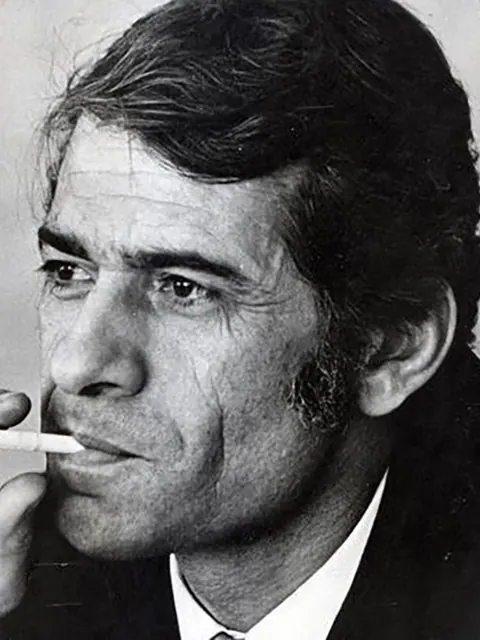 Literatureb. 1926
Muin Bseiso
Defiant poet of Palestinian resistance.
Gaza, Palestine
Read their story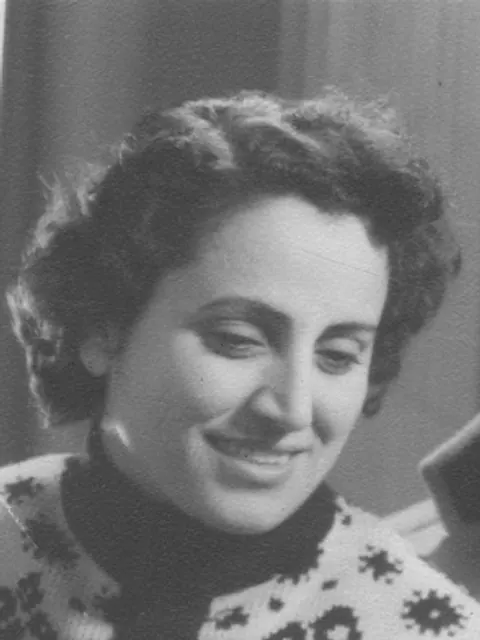 Literatureb. 1927
Samira Azzam
Pioneer in Palestinian Literature
Acre, Mandatory Palestine
Read their story