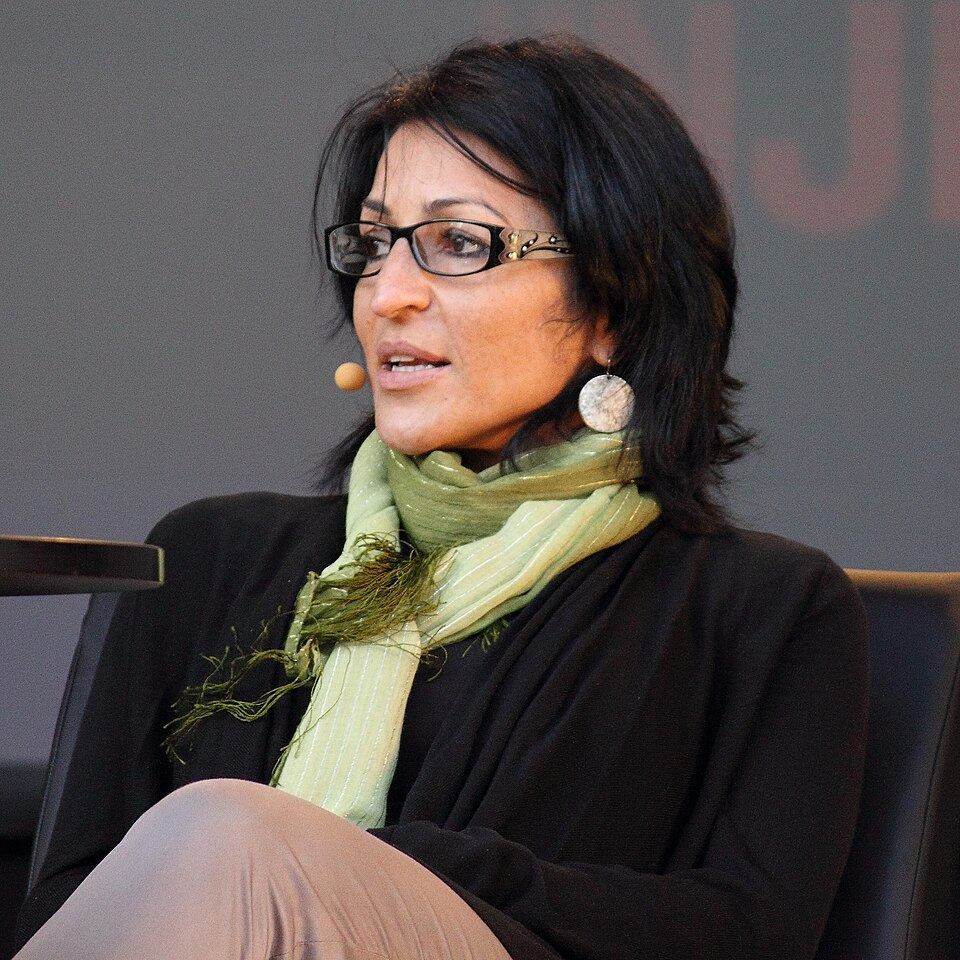
Photo: decltype · CC BY-SA 3.0
Susan Abulhawa
Pioneering Palestinian writer, activist, and advocate for women's rights.
- Born
- 1970
- Born in
- Kuwait, Born to Palestinian refugees displaced by the 1967 War, grew up in Kuwait and Jordan
- Path
- Literature
Why Susan is here
Susan Abulhawa is included in the Hall of Fame for her significant contributions to literature and human rights, specifically focusing on the Palestinian experience and the intersection of national and feminist struggles. Her work has brought international attention to the plight of Palestinians and has been a powerful voice for women within the Palestinian community.
Their story
Susan Abulhawa was born in Kuwait to Palestinian refugees displaced in 1967, and grew up in Kuwait, Jordan, Jerusalem and the United States, where she trained as a scientist.
Her novel Mornings in Jenin, a story of four generations of a Palestinian family, has been translated into more than thirty languages. She also wrote The Blue Between Sky and Water and Against the Loveless World, and founded Playgrounds for Palestine, which builds play spaces for Palestinian children.
In pictures
Milestones
The moments that shaped Susan’s path.
Born in 1970 to Palestinian refugees.
Moved to the United States as a teenager and pursued a career in medical science.
Witnessed the 2002 massacre in Jenin, which profoundly influenced her writing and activism.
In 2010, published the novel "Mornings in Jenin," which became an international bestseller and was translated into 32 languages.
Founded Playgrounds for Palestine in July 2001, focusing on children's rights to play.
Legacy
What they built, changed and left behind.
Her debut novel “Mornings in Jenin” provided a nuanced portrayal of the Palestinian experience under Israeli rule and has educated countless readers worldwide.
Organized Palestine Writes, a literary conference turned festival celebrating Palestinian writers and literature.
Her work often challenges and brings attention to the intersection of national liberation and the struggle against patriarchal structures within Palestinian society.
Her novels offer a radical representation of Palestinian women’s lives, both in historical and contemporary contexts.
WatchThrough her literary work, Susan has contributed to the broader feminist discourse by intertwining the sexual liberation struggle with national liberation, providing a new framework for understanding and imagining freedom.
Ask about Susan
Curious about something? An AI guide answers from Susan’s profile.
Susan’s guide AI
Answers come from Susan’s profile on this page. It isn’t Susan, and it can make mistakes.
What would you like to know about Susan?
Ask in your own words about Susan’s early life, work, the moments that shaped them, or their legacy. The guide answers only from this profile, so if something isn’t covered, it will tell you.
AI-generated from this profile. Spotted something wrong? Suggest an addition.
Watch
Susan in interviews, talks and coverage.
01Watch on YouTube↗
Further reading
- en.wikipedia.orgSusan Abulhawa, Wikipediaen.wikipedia.org/wiki/Susan_Abulhawa
- theguardian.comtheguardian.com/lifeandstyle/2015/jun/06/building-playgrounds-in-palestine-this-is-their-special-place-and-refuge
- nytimes.comnytimes.com/2020/08/26/books/review/against-the-loveless-world-susan-abulhawa.html
- aljazeera.comaljazeera.com/news/2026/3/15/why-is-nycs-mamdani-facing-criticism-over-response-to-attacks-on-wife
- theatlantic.comtheatlantic.com/ideas/2026/03/mamdani-israel-mahmoud-khalil/686383
Spot a mistake?
We check every correction against sources before we change a profile. Tell us what’s wrong with Susan’s story and, if you can, where you read it. How we check
Keep exploring
More faces from Literature
 Literatureb. 1969
Nathalie Handal
Poetic Voice for Palestinian Diaspora
Haiti
Read their story Literatureb. 1968
Hisham Zreiq
Visionary Palestinian Filmmaker
Nazareth, Palestine
Read their story Literatureb. 1974
Adania Shibli
Literary voice of Palestine
Palestine
Read their story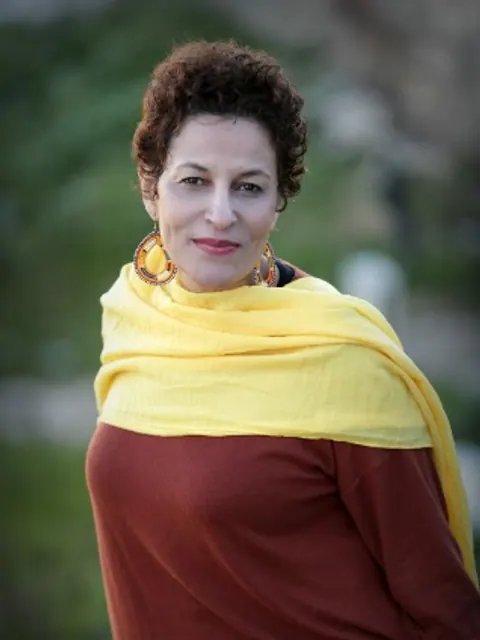 Literatureb. 1975
Ahlam Bsharat
Pioneering Palestinian Author
Tammun, Palestine
Read their story