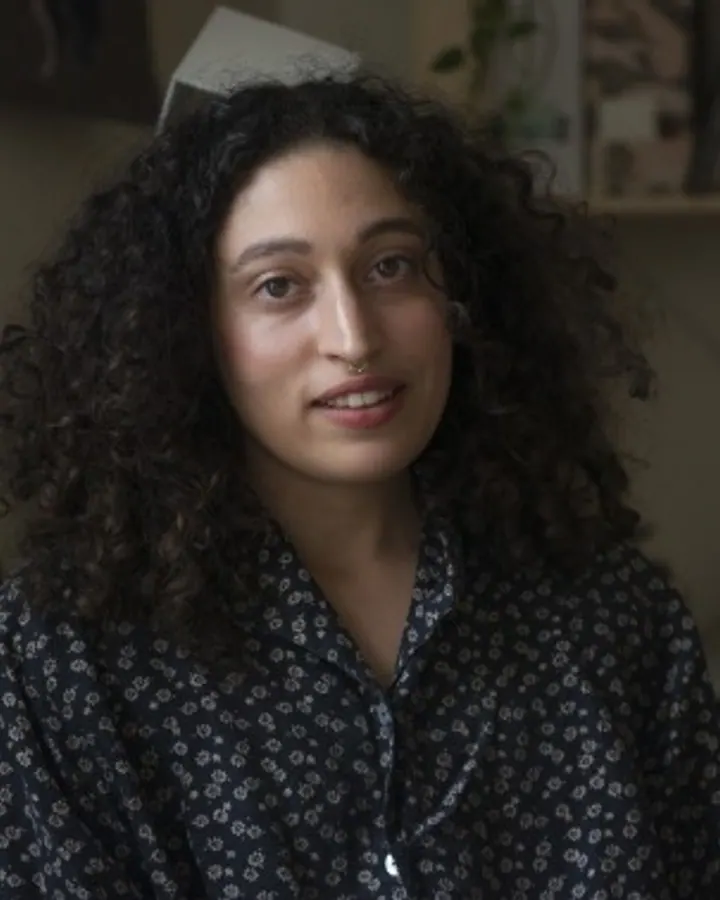
Lamia Abukhadra
Challenging colonial narratives artistically
- Born
- 1996
- Born in
- Minneapolis, Minnesota
Why Lamia is here
Abukhadra's art confronts the erasure of Palestinian history and emphasizes cultural resistance through creative expression.
Their story
Lamia Abukhadra is a Palestinian-American artist whose interdisciplinary work examines and deconstructs colonial narratives, particularly focusing on the ongoing ethnic cleansing and occupation of Palestine. Her practice spans various media, including printmaking, installations, and archival art, which often references her family’s displacement during the Nakba. Her works aim to reclaim and preserve Palestinian identity, challenging settler-colonial perceptions. Based in Minneapolis and Beirut, she uses her platform to amplify Palestinian resistance through art.
Milestones
The moments that shaped Lamia’s path.
Graduated from the University of Minnesota with honors
Focused on interdisciplinary studio art, where she began exploring her Palestinian identity and its intersection with politics.
Founded a 10-foot border wall installation at Soap Factory
In response to Trump’s Muslim ban, she co-created a symbolic border wall, which was later demolished as an act of resistance.
Became a Jerome Emerging Printmaking Resident
In 2018–2019, she participated in the prestigious residency at the Highpoint Center for Printmaking, Minneapolis.
Art and Communications Director at Mizna
A nonprofit organization promoting Arab-American culture, where she curates and fosters dialogue on SWANA art and identity.
Resident Fellow at Ashkal Alwan, Beirut
Continued her work in interdisciplinary research and art while focusing on Palestine’s diasporic spaces and colonial narratives.
Legacy
What they built, changed and left behind.
Challenged colonial narratives
Abukhadra’s work dismantles harmful colonialist depictions of Palestinians and reasserts Palestinian identity in the context of the Israeli occupation of Palestine.
Highlighted the erasure of Palestinian spaces
Through installations and prints, her works often emphasize the destruction and loss of Palestinian homes and land during and after the Nakba.
Amplified Palestinian voices in art
Her leadership role at Mizna enables her to support other Palestinian and SWANA artists in presenting politically charged work that resists occupation.
WatchReclaimed Palestinian history through archival art
She focuses on recreating and preserving her family’s Palestinian artifacts, keeping alive the cultural memory of pre-1948 Palestine.
Advocated for the role of art in resistance
Her politically-driven pieces encourage the use of art as a tool for Palestinian resistance, particularly by young artists in the diaspora.
Ask about Lamia
Curious about something? An AI guide answers from Lamia’s profile.
Lamia’s guide AI
Answers come from Lamia’s profile on this page. It isn’t Lamia, and it can make mistakes.
What would you like to know about Lamia?
Ask in your own words about Lamia’s early life, work, the moments that shaped them, or their legacy. The guide answers only from this profile, so if something isn’t covered, it will tell you.
AI-generated from this profile. Spotted something wrong? Suggest an addition.
Watch
Lamia in interviews, talks and coverage.
01Amplified Palestinian voices in art↗
Spot a mistake?
We check every correction against sources before we change a profile. Tell us what’s wrong with Lamia’s story and, if you can, where you read it. How we check
Keep exploring
More faces from Palestinian Americans
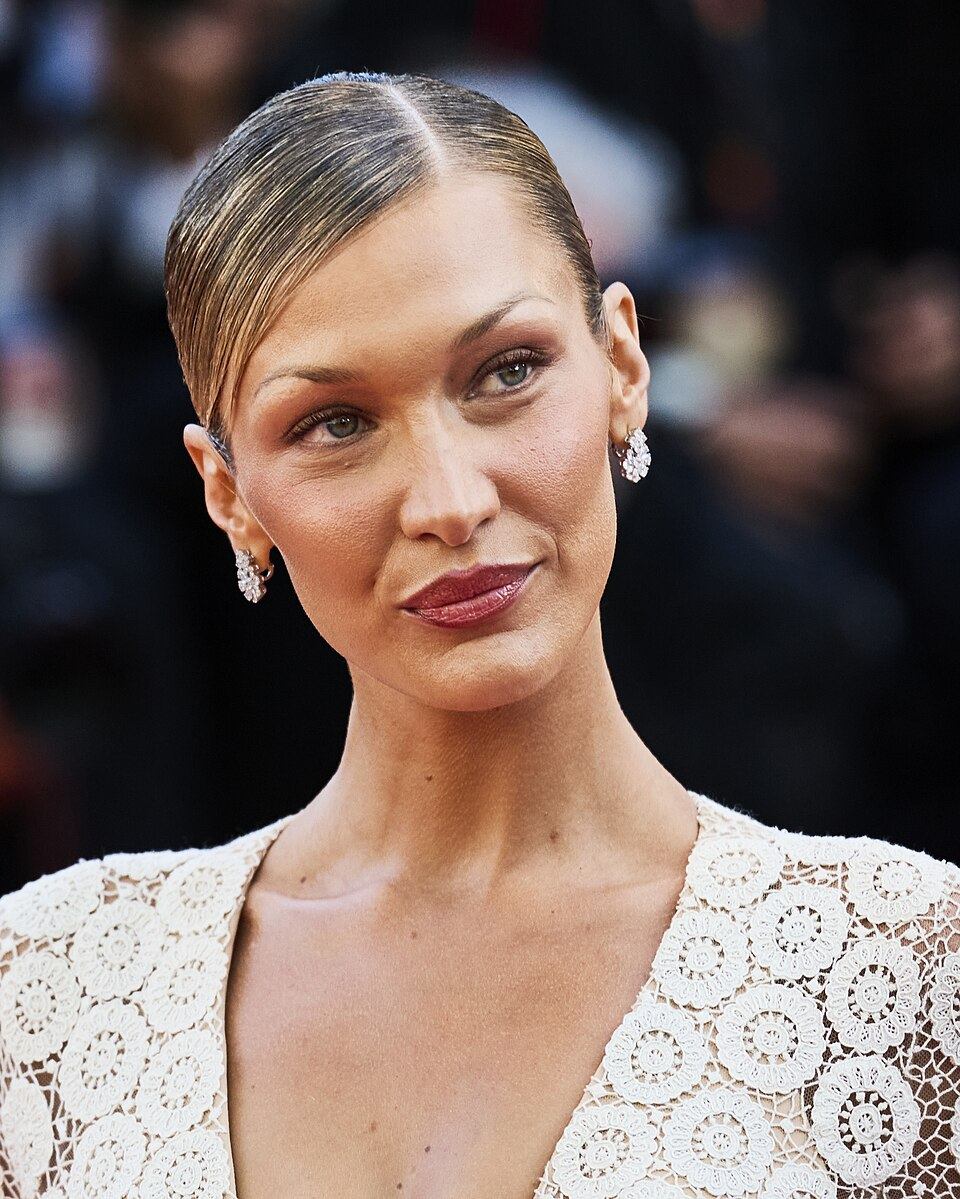 Palestinian Americansb. 1996
Bella Hadid
Model, Advocate for Palestinian rights
Washington, D.C., United States
Read their story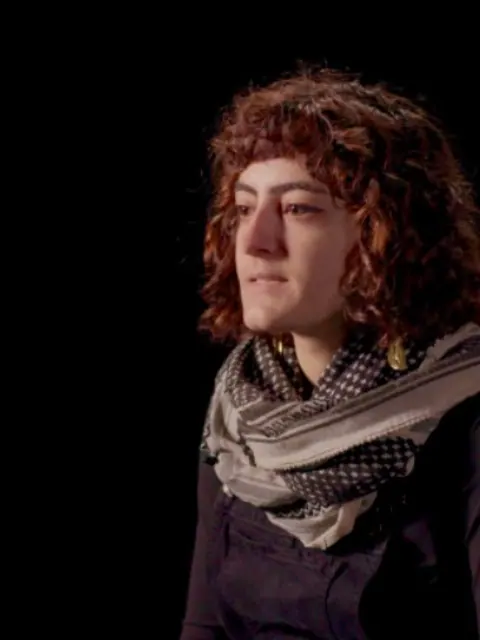 Palestinian Americansb. 1992
Leila Abdelrazaq
Visual Narrator of Palestinian Life
Chicago, Illinois, USA
Read their story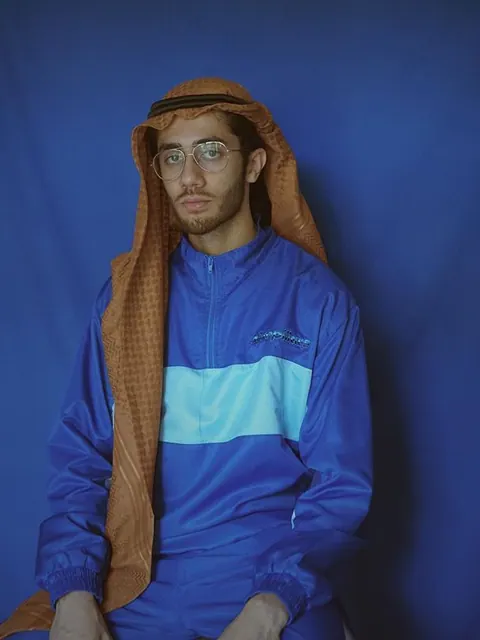 Palestinian Americansb. 1992
Subhi Taha
Innovative fashion designer, Islamic influence
Dallas, Texas, USA
Read their story Palestinian Americansb. 1991
Nazmi Albadawi
Influential Palestinian-American soccer player
Raleigh, USA
Read their story