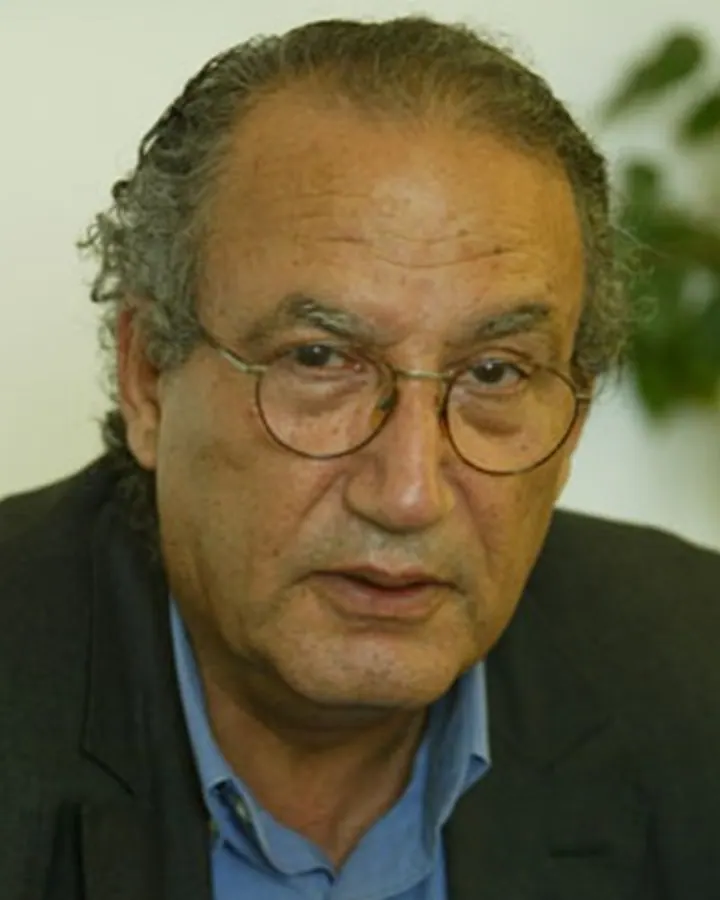
Why Eyad is here
Founding father of mental health services in Gaza.
Their story
Dr. Eyad El-Sarraj was a prominent Palestinian psychiatrist, recognized for his groundbreaking work in mental health within conflict zones, particularly in the Gaza Strip. As the founder of the Gaza Community Mental Health Programme (GCMHP), he dedicated his career to addressing the psychological effects of occupation and conflict on Palestinians, advocating for the rights of detainees, and promoting peace through understanding mental health. Dr. El-Sarraj's contributions extended beyond clinical practice to include human rights advocacy, earning him international recognition for his compassionate and holistic approach to mental health and conflict resolution.
Milestones
The moments that shaped Eyad’s path.
Education and Training
El-Sarraj obtained his medical degree and specialized in psychiatry, laying the groundwork for his future contributions to mental health (specific universities and dates to be researched).
Establishment of GCMHP
In 1990, he founded the Gaza Community Mental Health Programme, the first and largest mental health service provider in Gaza, addressing the urgent need for mental health care amidst ongoing conflict.
Read moreInternational Recognition
El-Sarraj received numerous awards for his work, including the Physicians for Human Rights Award and the Olof Palme Prize, acknowledging his efforts in promoting human rights and peace.
Advocacy and Human Rights Work
Throughout his career, El-Sarraj was actively involved in human rights advocacy, particularly concerning the treatment of detainees and the psychological impact of occupation.
WatchAcademic Contributions
El-Sarraj contributed significantly to the academic field through publications and lectures that shared his insights on mental health in conflict zones, influencing both clinical practice and policy.
Legacy
What they built, changed and left behind.
Pioneering Mental Health Services
Dr. El-Sarraj's establishment of GCMHP revolutionized mental health care in Gaza, offering services that catered to the specific needs of communities affected by conflict.
Advancement in Conflict Psychology
Through his work, El-Sarraj advanced the understanding of the psychological effects of occupation and warfare, highlighting the need for mental health interventions in conflict and post-conflict settings.
Human Rights Advocacy
He was a vocal advocate for the psychological well-being of prisoners and detainees, drawing attention to the impacts of torture and solitary confinement.
Read moreInternational Collaboration and Awareness
El-Sarraj engaged in international collaborations that brought global attention to the mental health challenges in Palestine, fostering international dialogue and support.
WatchMentorship and Education
He mentored countless mental health professionals and advocates, expanding the capacity for compassionate mental health care and advocacy in Palestine and beyond.
Watch
Ask about Eyad
Curious about something? An AI guide answers from Eyad’s profile.
Eyad’s guide AI
Answers come from Eyad’s profile on this page. It isn’t Eyad, and it can make mistakes.
What would you like to know about Eyad?
Ask in your own words about Eyad’s early life, work, the moments that shaped them, or their legacy. The guide answers only from this profile, so if something isn’t covered, it will tell you.
AI-generated from this profile. Spotted something wrong? Suggest an addition.
Watch & listen
Eyad in interviews, talks and coverage.
Further reading
Spot a mistake?
We check every correction against sources before we change a profile. Tell us what’s wrong with Dr.’s story and, if you can, where you read it. How we check
Keep exploring
More faces from Medicine
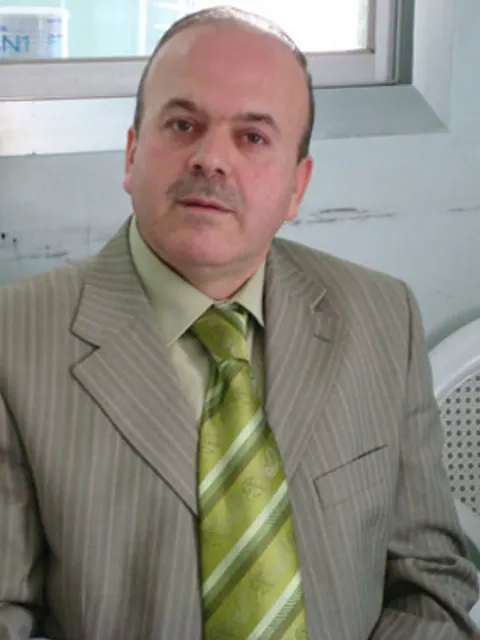 Medicineb. 1944
Dr. Khalil Suleiman
Devoted Physician, Martyred in an Israeli invasion.
Jenin Camp, Palestine
Read their story- Medicineb. 1933
Dr. Fathi Al-Qudwa
Founder, Palestinian Red Crescent Society
Jerusalem, Palestine
Read their story 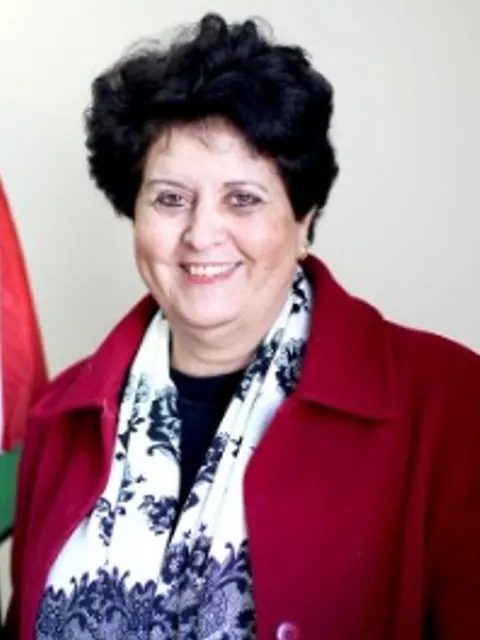 Medicineb. 1955
Dr. Mona El-Farra
Renowned Medical Doctor and Humanitarian
Khan Younis, Gaza
Read their story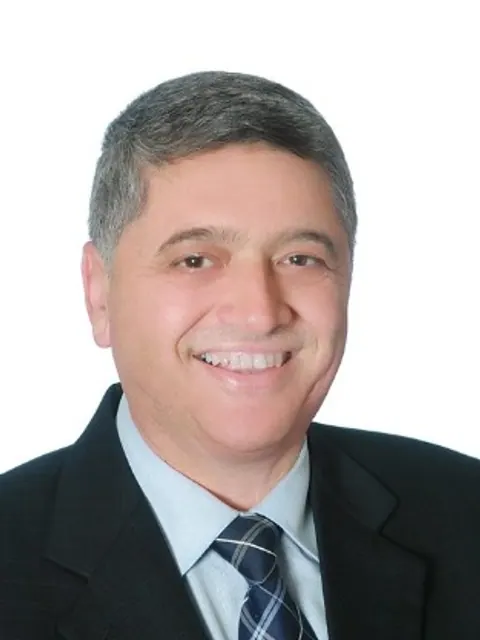 Medicineb. 1960
Dr. Hatem Khamash
Innovator in Neonatal Care
Jerusalem, Palestine
Read their story