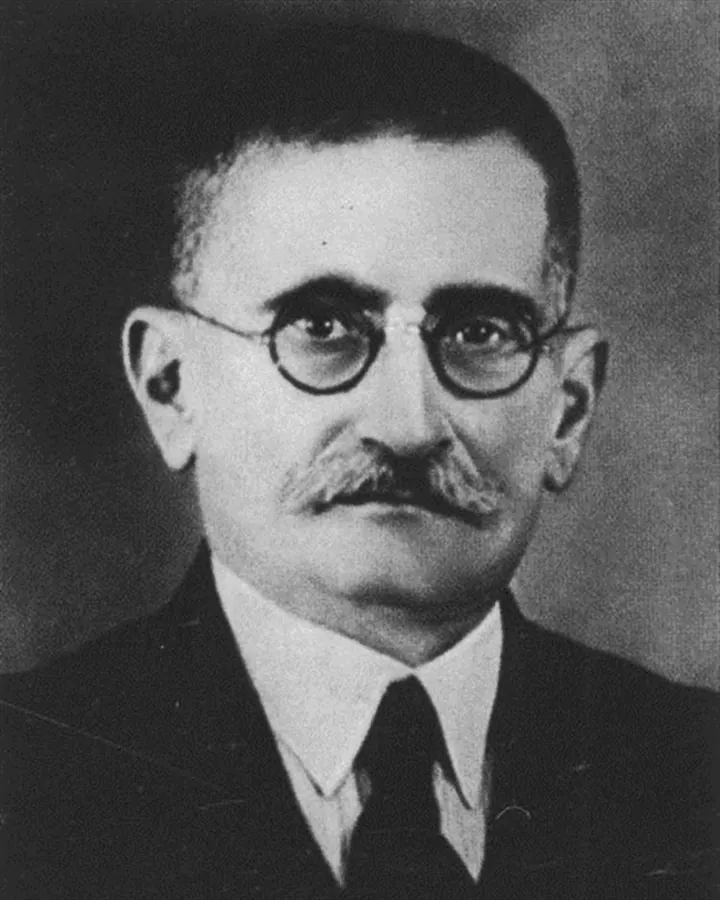
Khalil Beidas
Founding father of Arabic short story; translator; educational reformer.
- Born
- 1874
- Born in
- Nazareth, Palestine
- Path
- Literature
Why Khalil is here
Instrumental in shaping modern Palestinian literature, introduced Russian literature to Arab readers, and significantly impacted educational reform.
Their story
Khalil Beidas was a pivotal Palestinian intellectual, lauded for pioneering the short story in Arabic literature. His translations of Russian literary works played a crucial role in introducing and integrating global literature into the Arab literary domain. As an educator, he contributed to the cultural and intellectual life of Palestine through both his writing and his teaching.
Milestones
The moments that shaped Khalil’s path.
1892
Completed his education in the Russian Teachers’ College in Nazareth.
1908
Established and taught at the Orthodox elementary school in Haifa.
1910
Founded the influential literary magazine An-Nafais Al-Assriah.
1916
Faced a death sentence for his anti-Zionist writings, later commuted.
1945
Retired from his long-standing position as a senior Arabic teacher.
Legacy
What they built, changed and left behind.
Literature
Authored "Al-Warith," a novel foreshadowing the partition of Palestine.
Translation
Introduced major Russian works to Arabic readers, including translations of Pushkin and Tolstoy.
Journalism
Through his magazine, he fostered the Nahda movement and featured prominent Arab intellectuals.
Education
Wrote mathematics books and a large Arabic encyclopedia; impacted educational methods.
Cultural Preservation
Amassed a valuable library of manuscripts and books, although lost in 1948.
Ask about Khalil
Curious about something? An AI guide answers from Khalil’s profile.
Khalil’s guide AI
Answers come from Khalil’s profile on this page. It isn’t Khalil, and it can make mistakes.
What would you like to know about Khalil?
Ask in your own words about Khalil’s early life, work, the moments that shaped them, or their legacy. The guide answers only from this profile, so if something isn’t covered, it will tell you.
AI-generated from this profile. Spotted something wrong? Suggest an addition.
Spot a mistake?
We check every correction against sources before we change a profile. Tell us what’s wrong with Khalil’s story and, if you can, where you read it. How we check
Keep exploring
More faces from Literature
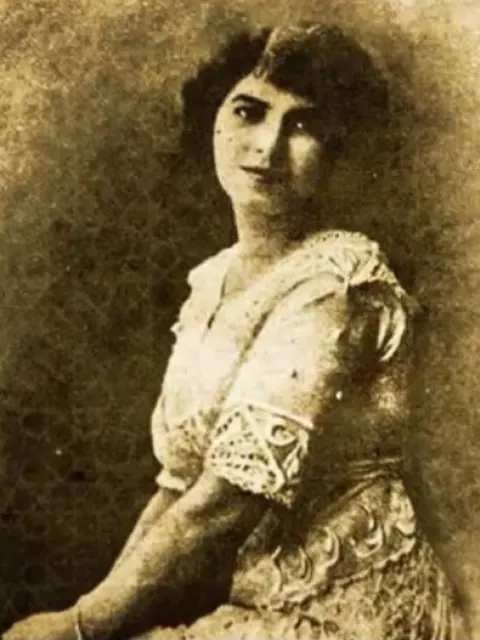 Literatureb. 1886
May Ziadah
Multilingual literary translator and author.
Nazareth, Palestine
Read their story Literatureb. 1905
Ibrahim Tuqan
Pioneering Palestinian national poet.
Nablus, Palestine
Read their story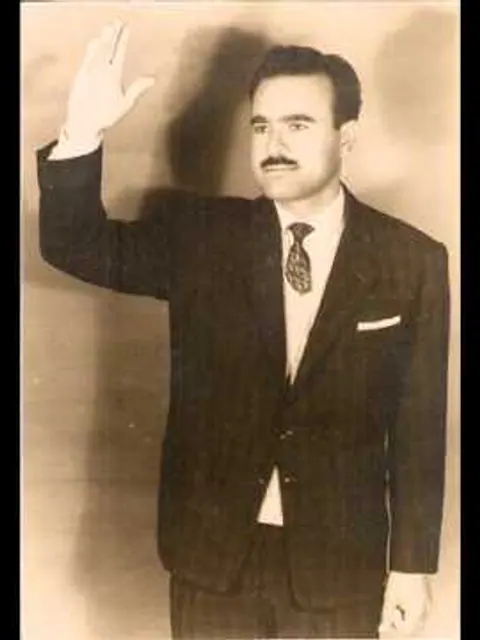 Literatureb. 1913
Nuh Ibrahim
Poetic voice of resistance during the 1936-39 Palestinian Revolt.
Haifa, in Wadi al-Nisnas neighborhood, Palestine
Read their story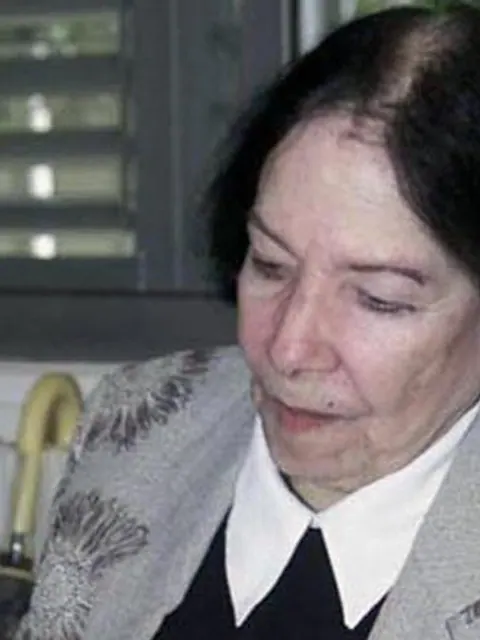 Literatureb. 1917
Fadwa Tuqan
Pioneering female poet, vocal in Palestinian cultural and feminist movements.
Nablus, Palestine
Read their story