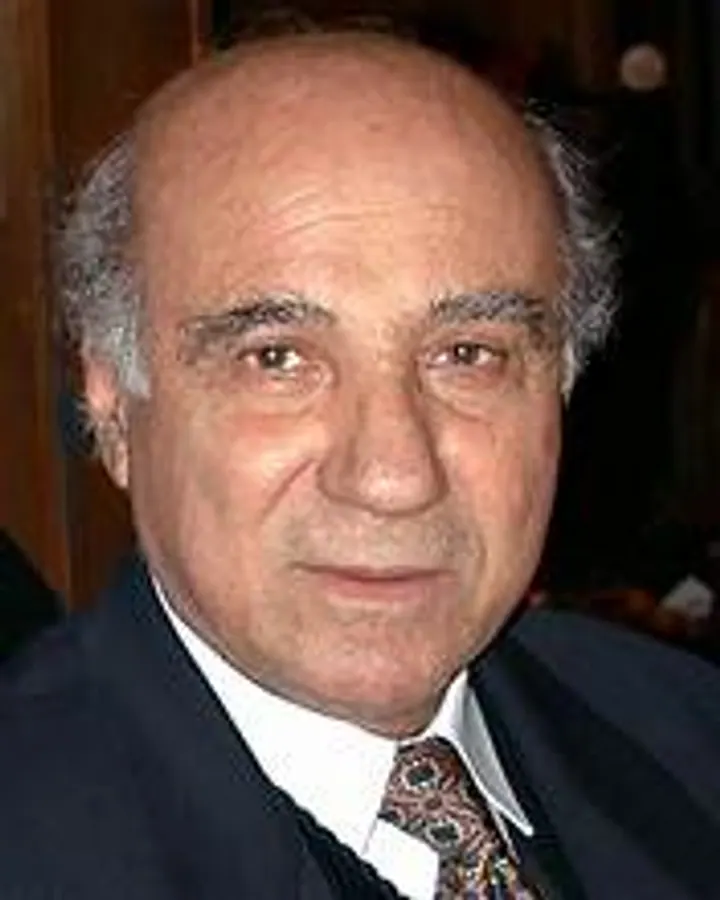
Ismail Shammout
Pioneering modernist, nationalistic themes, profound impact on Palestinian art.
- Born
- 1930
- Born in
- Lydd, Palestine
- Path
- Arts
Why Ismail is here
Ismail Shammout is celebrated for pioneering contemporary Palestinian visual art, capturing the nationalistic spirit and struggles of the Palestinian people through his work. His paintings are critically acclaimed for their portrayal of Palestinian history, suffering, and resilience, making him one of the most influential figures in modern Arab painting.
Their story
A leading figure in modern Palestinian art, Ismail Shammout used his experience of displacement and suffering to create powerful nationalistic imagery. His works often depicted the resilience and struggle of the Palestinian people. Shammout also contributed significantly to the cultural scene as an organizer and educator.
In pictures
Milestones
The moments that shaped Ismail’s path.
1953
Held his first personal exhibition in Gaza City, which had a profound impact on Palestinian refugees.
1954-1956
Studied at the Academia Di Belle Arti in Rome after attending the University of Fine Arts in Cairo.
1965
Headed the Department of Arts and National Culture of the Palestine Liberation Organization (PLO) from its inception.
1969
Elected as the Secretary-General of the Union of Palestinian Artists and established the Dar al-Karama Gallery in Beirut.
1997-2000
Created the series "Palestine: The Exodus and the Odyssey" with his wife, symbolically portraying Palestinian history.
Legacy
What they built, changed and left behind.
Created the iconic painting "Where To?" in 1953, symbolizing the Palestinian cause.
Read moreCo-founded the Union of Palestinian Artists and served as its first Secretary-General.
Read moreDesigned the PLO's first logo and produced political posters promoting national resistance.
Transformed nationalistic iconography in Palestinian art through his expressive figurative style.
Contributed to the preservation and promotion of Palestinian cultural identity through his art and leadership in various art organizations.
Ask about Ismail
Curious about something? An AI guide answers from Ismail’s profile.
Ismail’s guide AI
Answers come from Ismail’s profile on this page. It isn’t Ismail, and it can make mistakes.
What would you like to know about Ismail?
Ask in your own words about Ismail’s early life, work, the moments that shaped them, or their legacy. The guide answers only from this profile, so if something isn’t covered, it will tell you.
AI-generated from this profile. Spotted something wrong? Suggest an addition.
Further reading
Spot a mistake?
We check every correction against sources before we change a profile. Tell us what’s wrong with Ismail’s story and, if you can, where you read it. How we check
Keep exploring
More faces from Arts
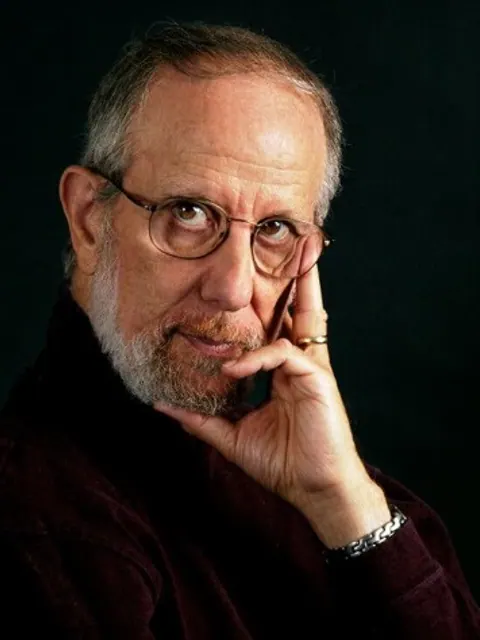 Artsb. 1930
Rajie Cook
Pioneering graphic designer, activist.
Newark, New Jersey
Read their story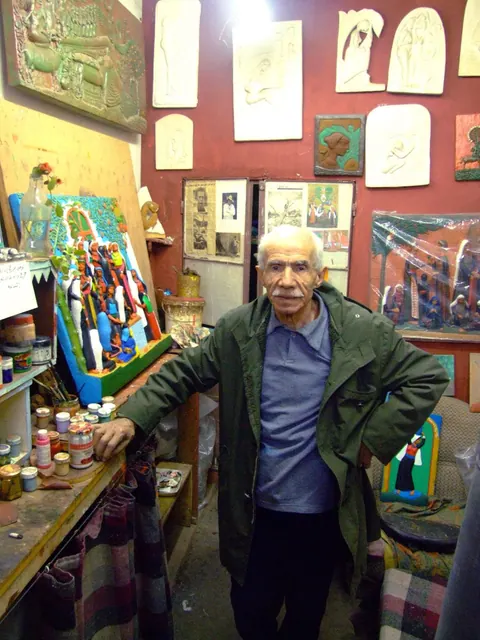 Artsb. 1933
Abdul Hay Zarara
Pioneering artist, documented Palestinian suffering and resistance through art.
Al-Dawayima, Palestine
Read their story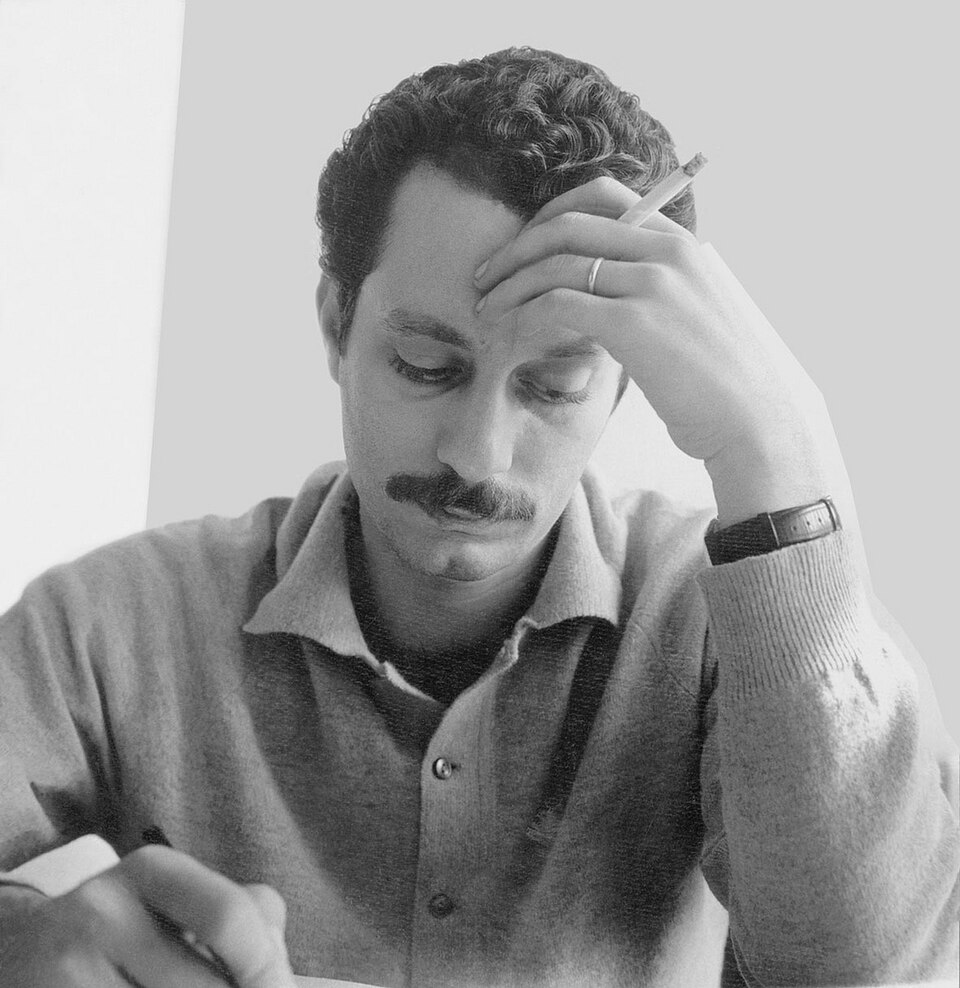 Literatureb. 1936
Ghassan Fayiz Kanafani
Novelist, journalist, artist, and major voice of Palestinian literature
Acre, Palestine
Read their story Artsb. 1936
Samia Halaby
Trailblazing artist merging Middle Eastern heritage with modern abstract expressionism.
Jerusalem, Palestine
Read their story