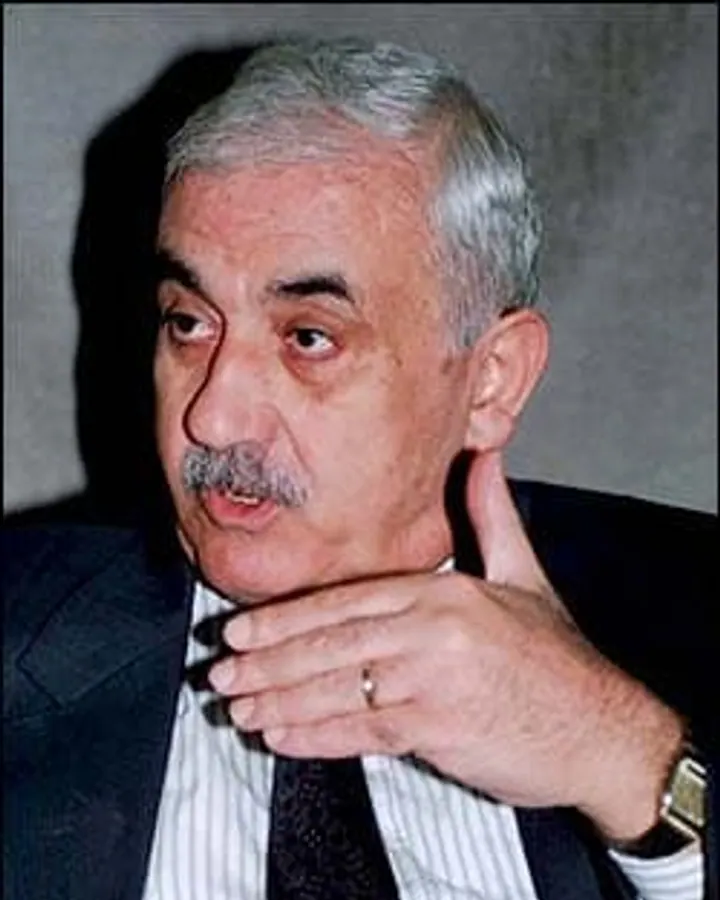
George Habash
Revolutionary leader, PFLP founder, influential figure in Palestinian struggle.
- Born
- 2 August 1926
- Born in
- Lydd, Palestine
- Path
- Resistance
Why George is here
George Habash played a pivotal role in the Palestinian resistance movement. As the founder of the Popular Front for the Liberation of Palestine (PFLP), he was a significant figure in the Arab nationalist movement and the Palestinian struggle against Israeli occupation. His strategies and ideologies significantly impacted the political landscape of the Middle East, especially regarding the Palestinian cause.
Their story
George Habash (1926–2008) was born in Lydda. In 1948, as a medical student at the American University of Beirut, he returned home and was driven out with his family in the Lydda Death March, in which his sister died.
He worked as a doctor in refugee camps in Jordan, co-founded the Arab Nationalist Movement, and in 1967 founded the Popular Front for the Liberation of Palestine, which he led until 2000. Known as al-Hakim, "the doctor", he died in Amman in 2008.
In pictures
Milestones
The moments that shaped George’s path.
1948
Forcibly expelled from Lydd in the Nakba by the Israeli occupation.
1952
Founded the Arab Nationalists' Movement.
1967
Establishment of the PFLP after the Six-Day War.
1970
Orchestrated the hijacking of several airliners to Jordan.
1980
Suffered a stroke, leading to partial paralysis and reduced political activity.
Legacy
What they built, changed and left behind.
Advocating for the unified Arab response to the liberation of Palestine.
WatchHighlighting the Palestinian cause through high-profile airplane hijackings.
Forming the Rejectionist Front, opposing the two-state solution.
Influencing the Arab political stage and Palestinian resistance strategies.
Ask about George
Curious about something? An AI guide answers from George’s profile.
George’s guide AI
Answers come from George’s profile on this page. It isn’t George, and it can make mistakes.
What would you like to know about George?
Ask in your own words about George’s early life, work, the moments that shaped them, or their legacy. The guide answers only from this profile, so if something isn’t covered, it will tell you.
AI-generated from this profile. Spotted something wrong? Suggest an addition.
Watch
George in interviews, talks and coverage.
01Watch on YouTube↗
Further reading
- en.wikipedia.orgGeorge Habash, Wikipediaen.wikipedia.org/wiki/George_Habash
- aljazeera.comaljazeera.com/news/middleeast/2008/01/2008525123530233223.html
- time.comtime.com/time/world/article/0,8599,1707366,00.html
- theguardian.comtheguardian.com/obituaries/story/0,,2248385,00.html
- nytimes.comnytimes.com/2008/01/27/world/middleeast/27habash.html
Spot a mistake?
We check every correction against sources before we change a profile. Tell us what’s wrong with George’s story and, if you can, where you read it. How we check
Keep exploring
More faces from Resistance
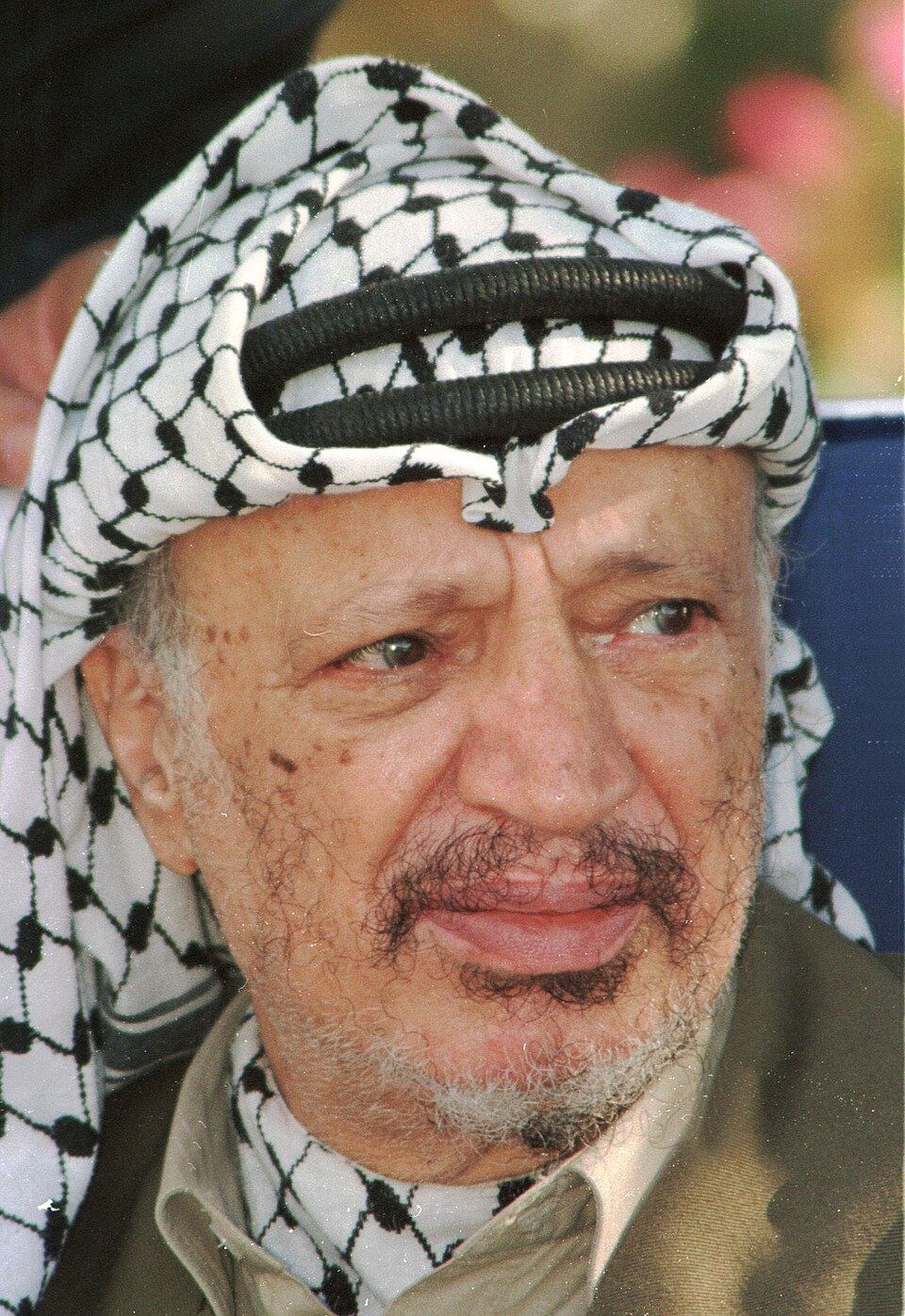 Resistanceb. 1929
Yasser Arafat
Charismatic leader, pivotal in Palestinian case and international recognition.
Cairo, Egypt
Read their story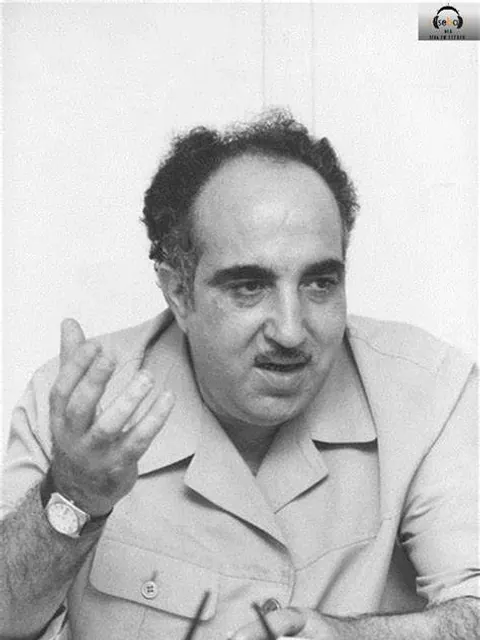 Resistanceb. 1933
Salah Khalaf
Founding member of Fatah, key PLO leader.
Jaffa, Palestine
Read their story Resistanceb. 1936
Ahmad Yassin
Founder of Hamas, influential in Palestinian resistance movement.
Al Joura, Askalan, Palestine
Read their story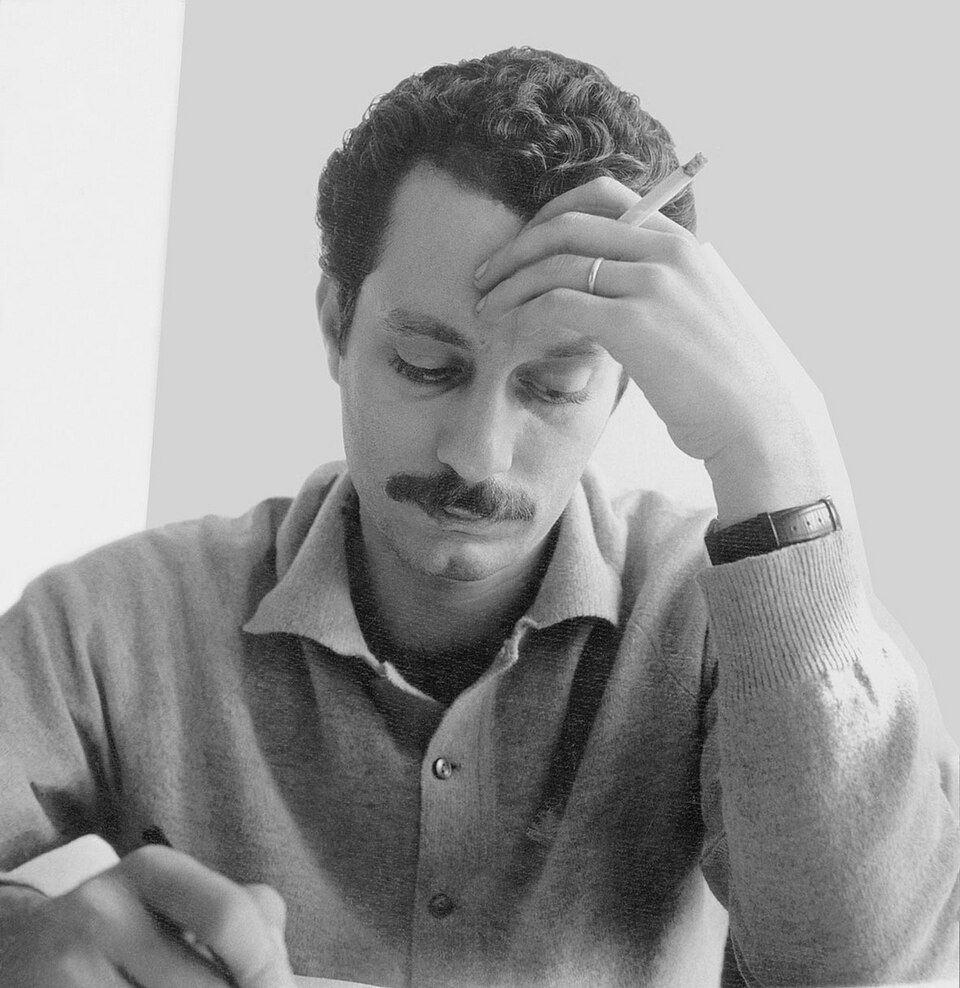 Literatureb. 1936
Ghassan Fayiz Kanafani
Novelist, journalist, artist, and major voice of Palestinian literature
Acre, Palestine
Read their story